
Before the carols came
and the deep winter cold,
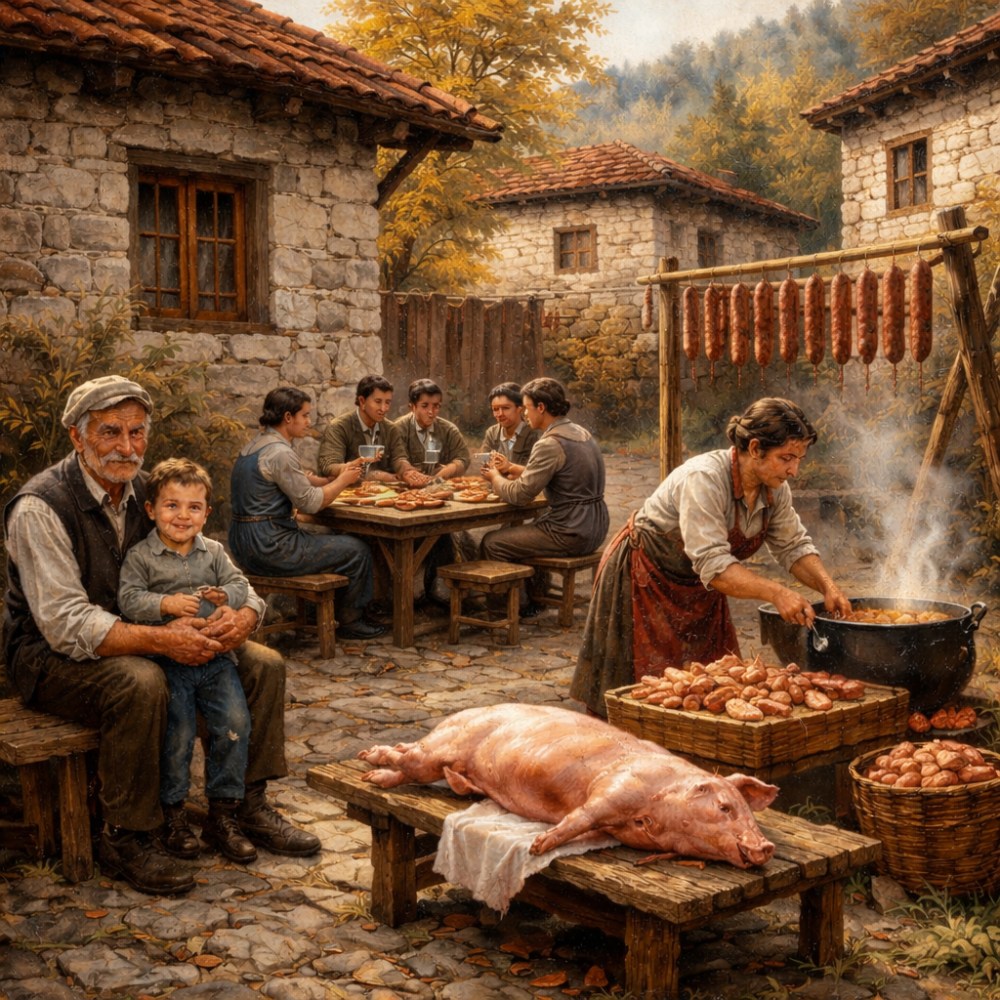
we slaughtered the piglets
in every courtyard.
We made tzoumarinkes*
and fresh fried meat,
sharing a little portion
with the whole neighborhood.
And then the sausages —
how wonderful they were!
With leeks and fragrant herbs,
with well-seasoned minced meat.
We hung them out to dry
on a wooden pole;
our dog stood guard
so others would not take them.
One night a friend said,
“Children, I stole some sausages
from Grosdani’s yard —
the one that had the dog.”
“Who will be kind enough
to cook them for us?”
Nikos said, “My mother —
she trusts me.”
“But what sausages are these?
Where did you find them, children?”
Before cooking them
she asked if we had stolen them.
“For God’s sake,” we all said,
“We bought them from Manolis!”
“Then go take a walk through the village
while I prepare them.”
“I’ll bring the wine,” said one,
Giannis brought the rakia*,
Tasos brought bread
before evening fell.
We ate and we drank
until we were completely drunk,
singing through the streets
until the next morning.
Oh yes! The one who stole the sausages —
I forgot what his name was.
*Tzoumarinkes (τζουμαρίνκες / џумаринки)
A traditional winter delicacy prepared during the annual village pig slaughter, a communal practice marking the beginning of the cold season. Tzoumarinkes are small, crisp pieces of pork fat and meat slowly rendered and fried in their own juices. Eaten fresh and often shared among neighbours and relatives, they symbolize hospitality, mutual support, and the collective rhythms of rural life in Macedonian villages.
*Rakia (ρακία / ракија)
A traditional Balkan fruit brandy distilled from fermented fruits such as grapes, plums, or apricots. Usually homemade, rakia occupies an important place in village social culture, offered as a gesture of welcome, friendship, and celebration. Beyond its role as a drink, it functions as a ritual element of gatherings, storytelling, and communal bonding.
Cultural Note — Winter Pig Slaughter (колење / svinjokol)
Throughout Macedonian rural communities, the winter pig slaughter was an important seasonal and social event traditionally held before Christmas and the deep winter months. Families and neighbours gathered to prepare preserved foods such as sausages, cured meats, and rendered fat that would sustain the household through the winter. The work was collective, and the day combined labour, shared meals, storytelling, and celebration, reinforcing bonds of kinship and community.
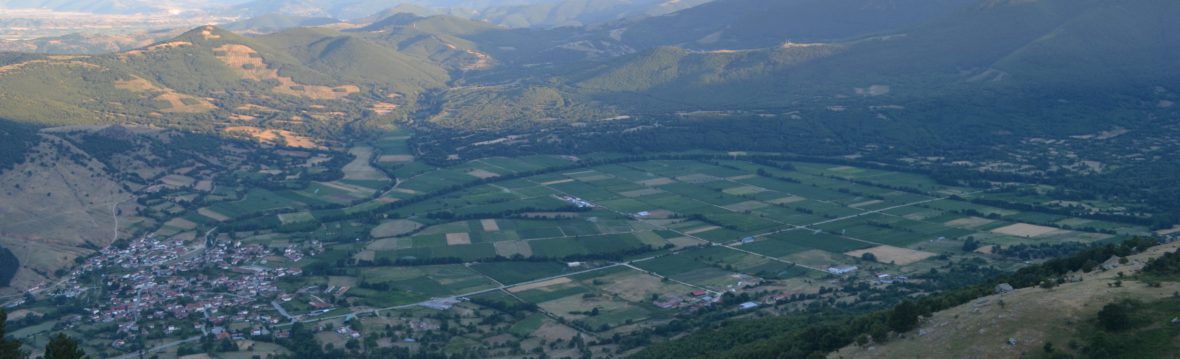
 Sklithro-Zelenich-Sebalći