
Celebrating the power of the Sun and the longest day of the year!
The astronomical phenomena have always regulated the way of life of people for thousands of years. Many people in their own culture had traditional customs, rituals and holidays associated with the change in seasons in the northern and southern hemispheres.n hemispheres.
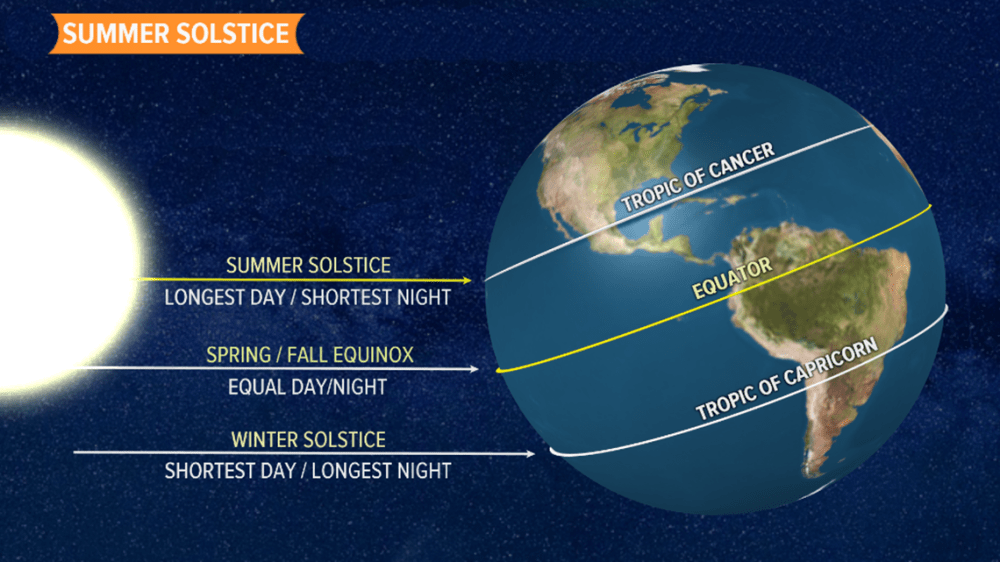
According to ancient Macedonian beliefs, this path (astronomical) is magical as it created two important celebrations in honour of the change of seasons. The first is on June 21 known as “Lita” or summer solstice. The second is on December 22 or the day of the winter solstice known as Koleda or Christmas day. Due to the Earth’s position circling the Sun, the northern hemisphere will experience the longest day of the year, and the southern hemisphere will experience the shortest day (winter solstice).
These two celebrations, according to beliefs, were dedicated to two deities, Lita and Koleda which became permanent. Various customs and celebrations were held in honour of these deities. Their significance and importance were lost over time, due to various church bans and changes to new days of the year dedicated to important saints of the Christian religion. One of the four most important Macedonian celebrations during the year, of course, was Lita Day, which lost its importance, being replaced by the celebration and customs of Christian holidays.
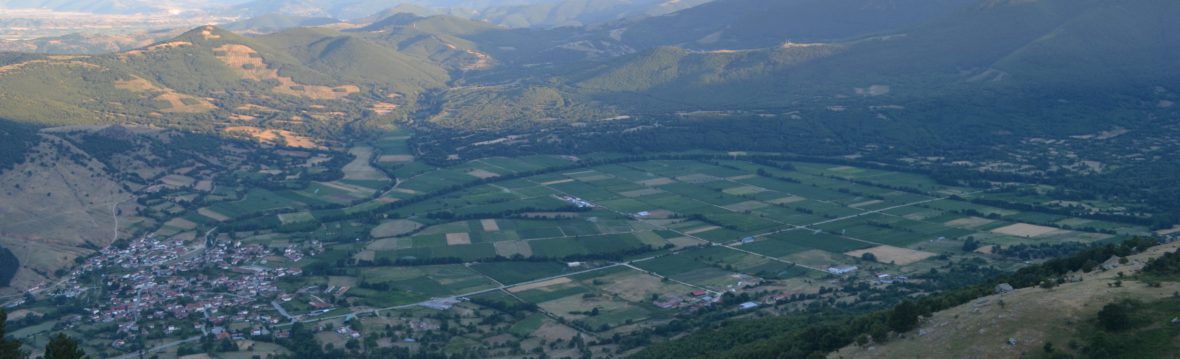
In the village of Zelenich before 1913, summer solstice was celebrated with more enthusiasm and participation of the indigenous inhabitants. After 1913, when Greece gained the Macedonian territories from the Ottoman Turks in the Balkan Wars of 1912-1913, traditions, rituals and customs began to be challenged by both the state and the Greek Orthodox Church. This continued with the changing of the last names of the indigenous Macedonians as well as the names of towns, villages and toponyms of the whole of Macedonia in 1927.
The summer solstice for millennia has been of great importance to humans throughout the world. Summer equinox has been around since Neolithic times and celebrated by many different nationalities. The pagans gave the Divine power of the Sun as they believed that it was the “lighthouse” that had power over all living things. It meant the flowering of nature and along with this, the longest day.
After the adoption of Christianity, people celebrated the birth of “John the Baptist” on June 24. They infused their pagan beliefs and rituals into the celebration of a new religion. From then on, the day of the summer solstice was also called St. John’s Day. In this way, these new Christian customs were linked to the much older solstice customs.
One of the customs was jumping over fires and according to ancient beliefs, jumping over fire provides protection for the family and prosperity of the house. During pagan times, weddings would take place under the full moon of the month. Lovers would take each other’s hands and jump three times over the fire. Even now, June is considered to be the most popular wedding month in many countries. People in Zelenich went out to dance, sing, and participate in ritual ceremonies. They collected plants on Lita’s night and believed they had magical powers. When it got dark, fires broke out and fire jumping took place.
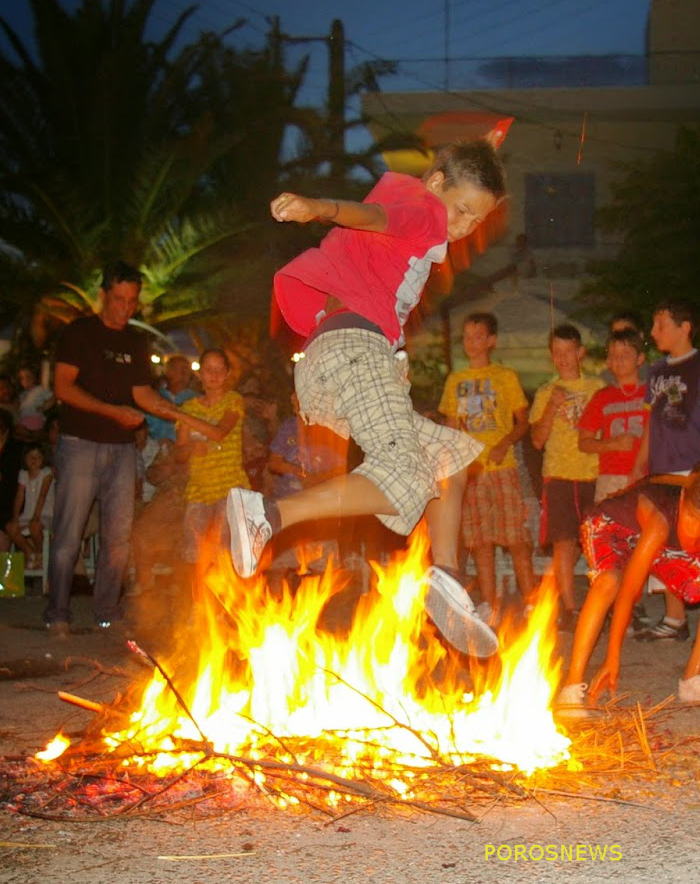
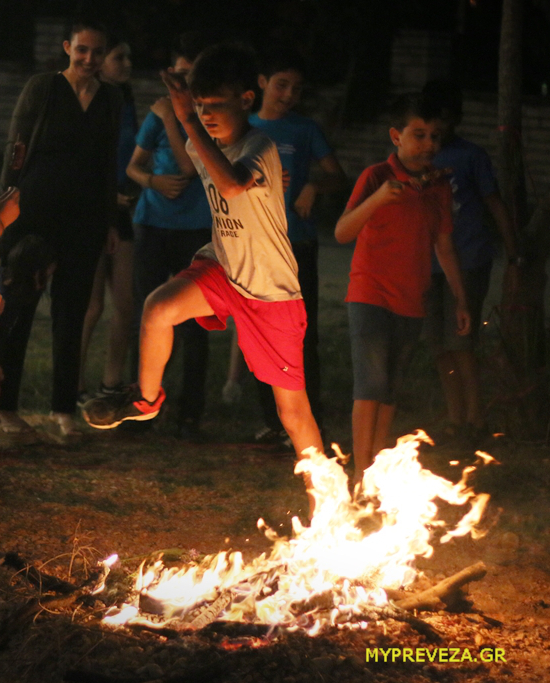
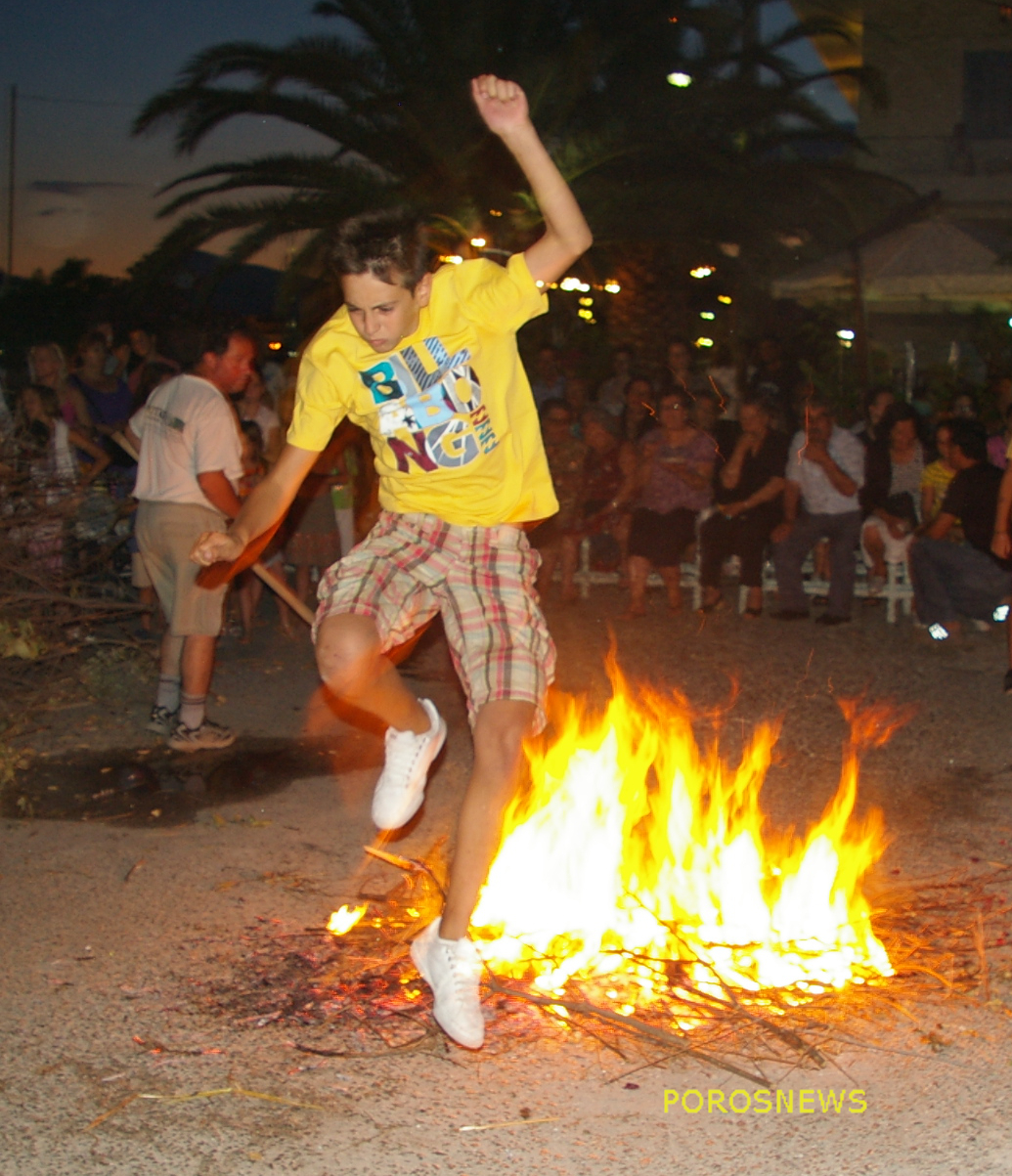
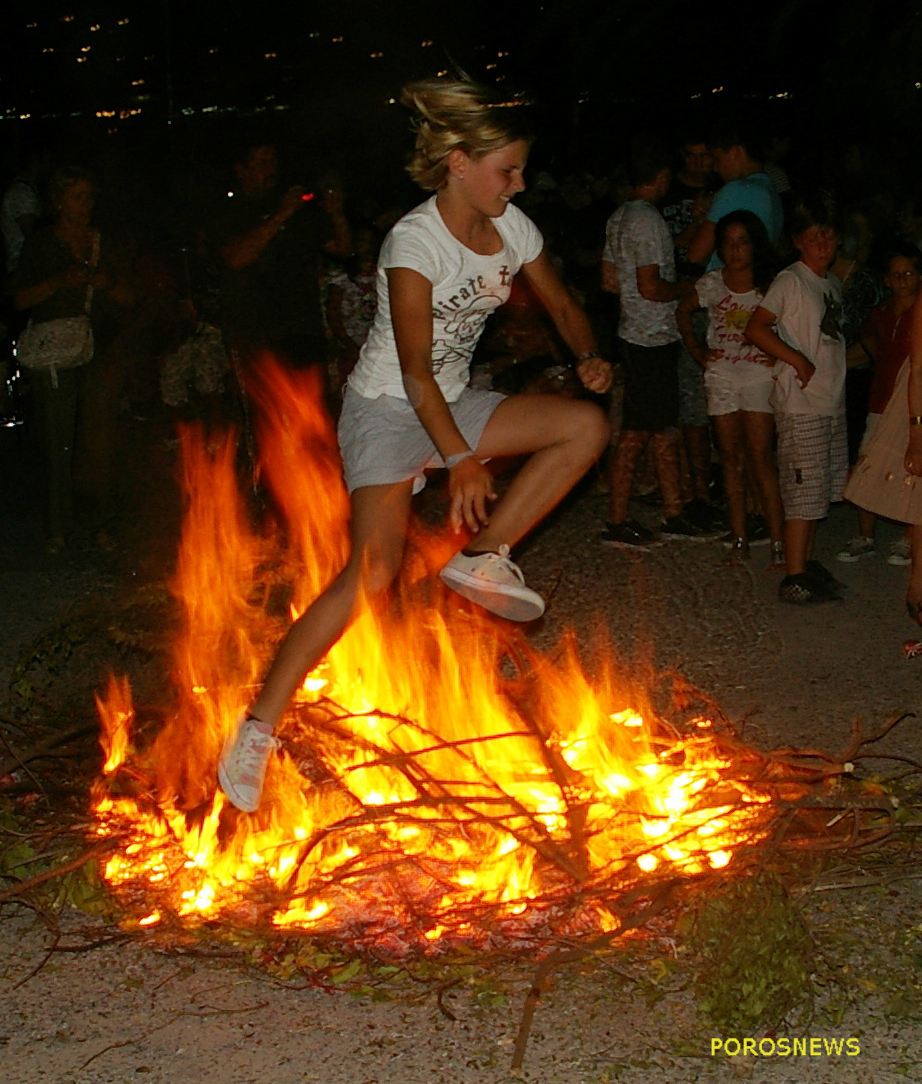
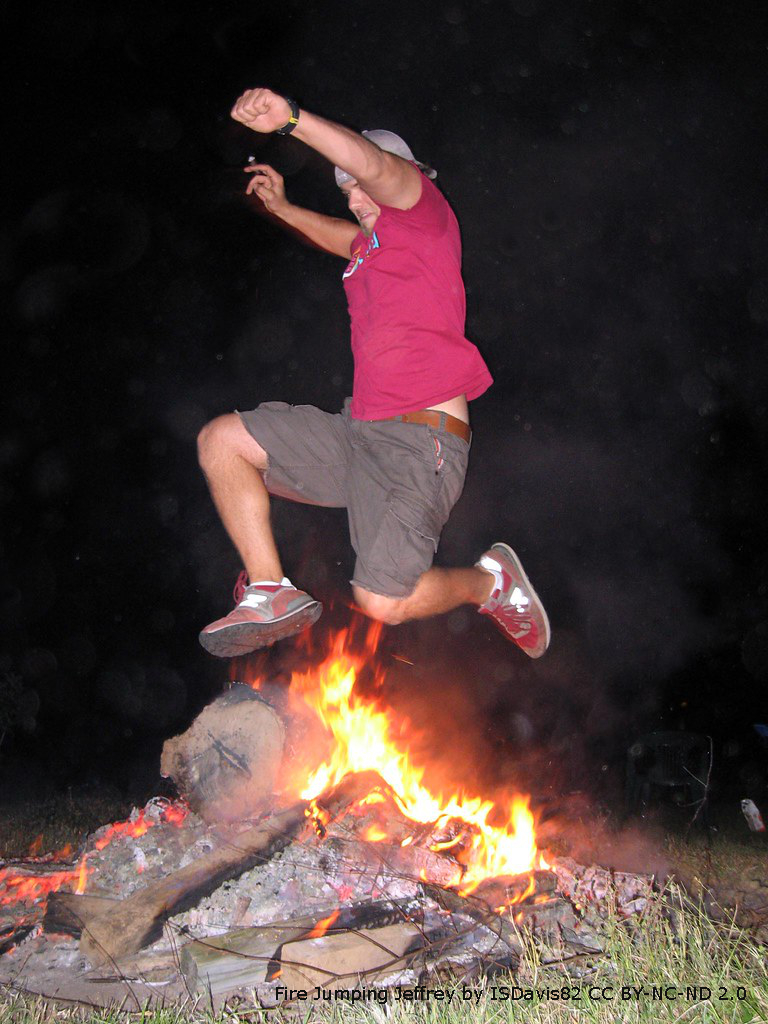
In Greece today, the summer solstice is celebrated on St. John’s Day. In many parts of Macedonia and the north, indigenous locals celebrate with rituals involving building bonfires. Throughout the world, people gather at symbolic ancient sites such as, Stonehenge, England; Cairo, Egypt; Istria, Croatia; Stockholm, Sweden; Reykjavik, Iceland; Ottawa, Canada; and Kokino, Macedonia; just to name a few.


In the village of Sklithro-Zelenich I remember jumping over bonfires not only during Christmas Koleda but also, during summer solstice. As you jumped, you would “Lita” – free your soul of negativity and bring on a new beginning of luck and harmony. The experience created by this belief became a form of mysticism for the local people continuing to celebrate this pagan ritual.
The day of the summer solstice is a celebration not only from the body, but also from the soul of a person. At the same time, it is a day of fertility, triumph of nature, and abundance. This is a time of generosity, and happiness, when you can feel the fullness of life. From a mystical point of view, it unites all four elements – water, fire, earth and air. The spirits responsible for these elements, at that time, and today, have always been to have fun and rejoice all together. That is why all the elements are included in various rituals which are held exactly during the summer solstice in many countries.
Depending on your individual spiritual path, there are many different ways you can celebrate Lita, but the focus is almost always on celebrating the power of the sun. It is a time of year when crops grow from the heart and the earth warms up. We can spend long sunny afternoons enjoying the outdoors and return to nature under the long hours in the evening.
So, whether you are back in Sklithro-Zelenich, or in the diaspora, celebrate “Lita” with family, friends or new acquaintances. Keep the “Fire Ritual” on a summer night and celebrate the season with a big fire or a whole day of rituals to mark summer solstice and the longest day of the year.
Sources:
Brown, F., & Carrington, D. (2021, June 20). Summer Solstice 2021: Sensual traditions on the longest day of the year. CNN. https://edition.cnn.com/travel/article/summer-solstice-2021-traditions-scn-trnd/index.html
CBC Editors. (2014, June 20). Summer Solstice: Celebrating the longest day of the year. CBC. https://www.cbc.ca/news/canada/summer-solstice-celebrating-the-longest-day-of-the-year-1.2682538
Chan, M. (2017, June 20). 4 fascinating ways the world celebrates the Summer Solstice. Time. https://time.com/4825634/summer-solstice-2017/
Davis, J. (n.d.). Fire Jumping. Flickr.com. https://www.flickr.com/photos/jsdavis/263136756/in/photostream/
Delachieve. (2018). Денови на летната краткоденица кога? MK.DELACHIEVE.COM. https://mk.delachieve.com/%D0%B4%D0%B5%D0%BD%D0%BE%D0%B2%D0%B8-%D0%BD%D0%B0-%D0%BB%D0%B5%D1%82%D0%BD%D0%B0%D1%82%D0%B0-%D0%BA%D1%80%D0%B0%D1%82%D0%BA%D0%BE%D0%B4%D0%B5%D0%BD%D0%B8%D1%86%D0%B0-%D0%BA%D0%BE%D0%B3%D0%B0/
Doherty, K. (2014, June 23). Solstice celebrated around the world. CBS News – Breaking news, 24/7 live streaming news & top stories. https://www.cbsnews.com/pictures/solstice-celebrated-around-the-world/2/
History.com Editors. (2017, August 10). Summer Solstice. HISTORY. https://www.history.com/topics/natural-disasters-and-environment/history-of-summer-solstice
Jurik, N. (2017, July 17). Stonehenge Megalith. pixaby.com. https://pixabay.com/photos/stonehenge-megalith-outdoors-grass-3186462/
Krämer, K. (2018, June 20). A brief history of humanity’s fascination for the Summer Solstice. DW.COM. https://www.dw.com/en/a-brief-history-of-humanitys-fascination-for-the-summer-solstice/a-44278817
Palsson, O. (n.d.). Sun Voyager Reykjavik Icelend [Photograph]. Creative Commons. https://search.creativecommons.org/photos/4208e52c-4052-4375-b8a7-e0b2a6bf2a6f
Pinimg. (n.d.). Kokino Megalithic Observatory [Photograph]. i.pinimg.com. https://i.pinimg.com/736x/bf/34/60/bf3460704cd0f3af61a741126b1b4780.jpg
Poros News. (2013, June 24). Ο Αϊ-Γιάννης ο Ριζικάρης και ο κλήδονας στη Ρουκουτίμα. Porosnews. https://www.porosnews.gr/tradition/%ce%bf-%ce%b1%cf%8a-%ce%b3%ce%b9%ce%ac%ce%bd%ce%bd%ce%b7%cf%82-%ce%bf-%cf%81%ce%b9%ce%b6%ce%b9%ce%ba%ce%ac%cf%81%ce%b7%cf%82-%ce%ba%ce%b1%ce%b9-%ce%bf-%ce%ba%ce%bb%ce%ae%ce%b4%ce%bf%ce%bd%ce%b1%cf%82/
Poulakis, Y. (2010, June 24). Fire Jumping [Photograph]. PorosNews.gr. https://www.porosnews.gr/wp-content/uploads/2010/06/IMGP3508.jpg
Poulakis, Y. (2011, June 24). porosnews.gr. https://www.porosnews.gr/wp-content/uploads/2011/06/IMGP1334.jpg
Poulakis, Y. (2013, June 24). Photograph. Porosnews.gr. https://www.porosnews.gr/wp-content/uploads/2010/06/IMGP3506.jpg
Proionta. (2019, June 21). Θερινό ηλιοστάσιο και οι φωτιές του Ηλιοτρόπιου. Προϊόντα της Φύσης. https://www.proionta-tis-fisis.com/therino-iliostasio-kai-oi-foties-tou-iliotropiou/
Soldatou, A. (2019, June 23). Fires of St. John in Klidonas. MyPreveza.gr. https://www.mypreveza.gr/2019/06/%CE%BF%CE%B9-%CF%86%CF%89%CF%84%CE%B9%CE%AD%CF%82-%CF%84%CE%BF%CF%85-%CE%B1%CF%8A-%CE%B3%CE%B9%CE%AC%CE%BD%CE%BD%CE%B7-%CF%84%CE%BF%CF%85-%CE%BA%CE%BB%CE%AE%CE%B4%CE%BF%CE%BD%CE%B1-t%CE%BF-%CE%B4.html
Stonehenge [Photograph]. (2019, July 28). unsplash.com. https://unsplash.com/photos/q0ZLK_D7ngI
Stonehenge [Photograph]. (n.d.). Pixaby.com. https://pixabay.com/photos/stonehenge-megalith-outdoors-grass-3186462/
Ziakopoulos. (2014, June 21). Το λιοτρόπι και οι φωτιές του Αϊ-Γιάννη. ziakopoulos. https://ziakopoulos.blogspot.com/2014/06/blog-post_21.html
 Sklithro-Zelenich-Sebalći


