
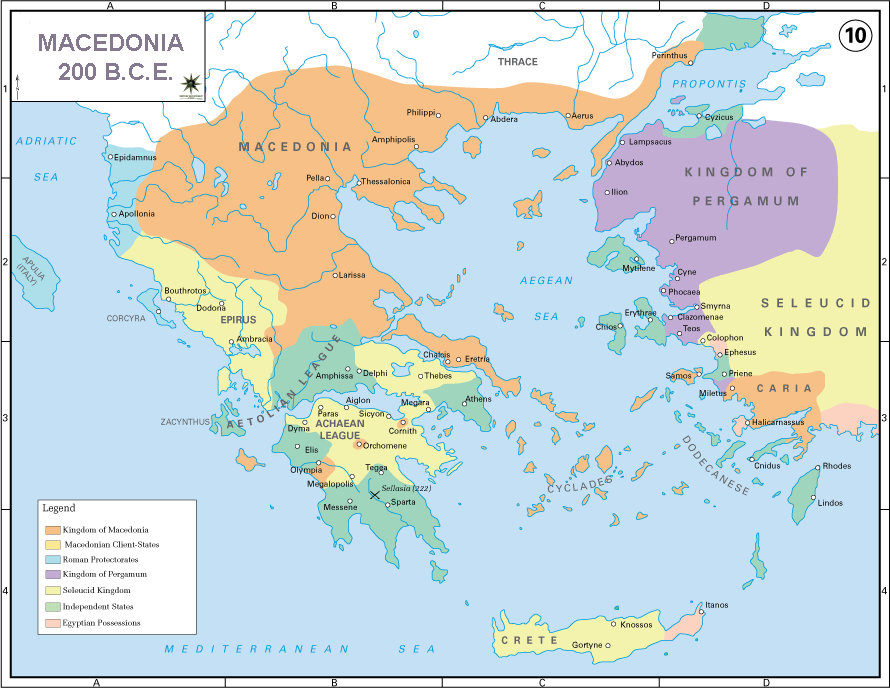
During the reign of Philip V and his son Perseus Rome enters the scene in Macedonia. From 214–148 B.C.E. there were a series of conflicts fought by the Roman Republic and its Greek allies in the eastern Mediterranean against the Macedonians. As in the case of the 1939 invasion of Italy through Albania and into the modern state of Greece, so too did the Romans invade and eventually subdued Macedonia in the Balkans.
The First Macedonian War (211- 205 B.C.E.)

The First Macedonian War was a diversion during the Punic Wars. It was brought on by the alliance of Philip V of Macedonia and Hannibal of Carthage. Philip quelled the revolt of the Aetolian League who had allied itself with Rome. Since Rome was busy fighting Hannibal Aetolia was forced to make peace with Macedonia and Philip and Rome settled with each other so Rome could go focus on Carthage.
The Second Macedonian War (200-196 B.C.E)
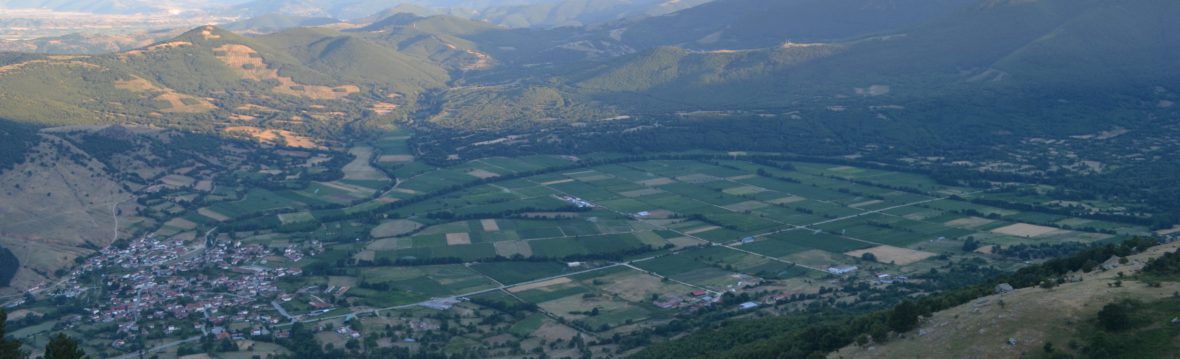
In the Second Macedonian War, Rome officially freed Greece from Philip and Macedonia. The Greeks asked for Roman help against Macedonian incursions and Rome made an alliance against them. They launched an attack on the armies of King Philip who refused to guarantee to make no hostile moves against the states of Greece, and Philip V was defeated. He lost all his territories outside of Macedonia and had to recognize the independence and autonomy of the Greek city-states. In 199 B.C.E. Philip had tried to defend the Kirli Dirven Pass just outside the village of Petres, Florina (Petricko, Lerin). An Ancient Macedonia city was discovered NW of the village just at the southern exit of the pass. The city was founded in the 3rd century B.C. by Antigonos Gonatas, it flourished in the 2nd century B.C.E and it ceased to exist in the 1st century B.C.E. The archaeological evidence leads to the conclusion that the city owed its development to its strategic position between the Eordaea and Lynkos cantons during Macedonian times and was incorporated onto the Egnatia Road and to its commercial exchanges with other cities.
The Third Macedonian War (171-168 B.C.E.)
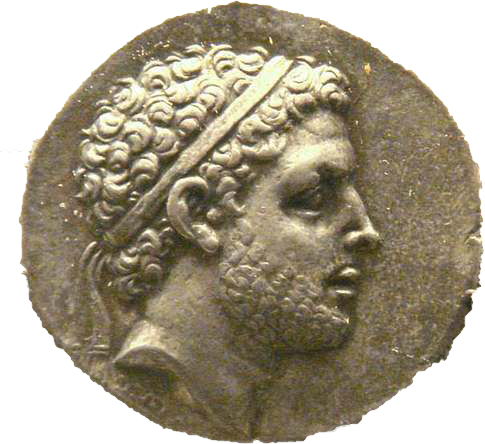
The Third Macedonian War was fought against Philip’s son Perseus who had moved against the Greeks. In 172 the Romans declared war on Perseus and defeated him at Pydna (168). The Macedonian dynasty was overthrown, and Macedonia was divided into 4 separate republics under loose Roman jurisdiction.
The Fourth Macedonian War (149-148 B.C.E)
The Fourth Macedonian War began, as the result of a Macedonian rebellion, started by a man who claimed to be Perseus’ son, Rome again stepped in. This time, Rome stayed in Macedonia. Macedonia was made into a Roman province.

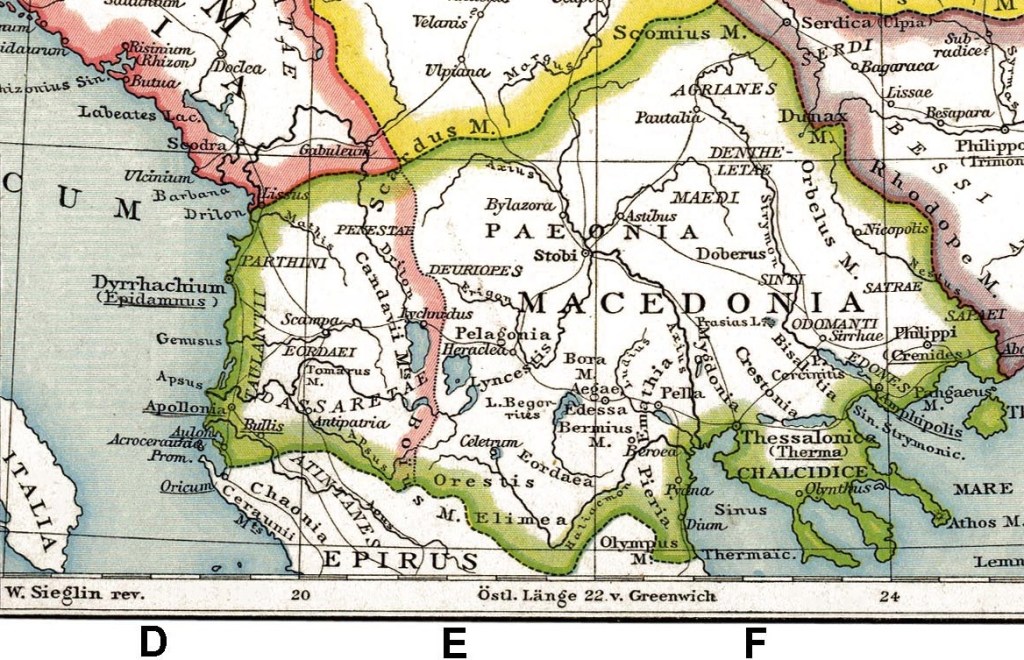
The aim of Rome in partitioning Macedonia into four republics, was to prevent any resurgence of power. The fourth region consisted of Eordaea, Lyncus, and Pelagonia. The Roman historian Livy commented on the cold climate, rugged terrain and a people with a fierce spirit. Each republic was isolated as physical barriers were used to divide Macedonia. The passes leading form one republic to the other were few and controlled by Roman armies along what came to be known as the Via Egnatia. There was a ban of mining gold and silver and on logging of timber for shipbuilding. Trade between the republics was discouraged and taxes were levied to prevent an economic resurgence. All gold and silver in private possession had to be handed to the Romans officials, as the public treasuries were completely plundered. As a result the Roman Senate abolished direct taxation on Roman citizen from the plunder and spoils of Macedonia. According to Livy, Macedonians who were deported to Italy were the king’s Friends, Wearers of Purple (royal colour), commanders of armies, garrisons, ships, diplomatic representatives and all who held office under the king. The deportation and enslavement of the officer class, administrators, and diplomats diminished the chances of any national Macedonian insurrection.
The Macedonian world in the Mediterranean was finally subdued by Augustus with the battle of Actium in 31 B.C.E., off the shores of Epirus with the fall of Cleopatra (Ptolemaic Dynasty).
The reign of Augustus began a long period of peace, prosperity and wealth for Macedonia, although its importance in the economic standing of the Roman world diminished.
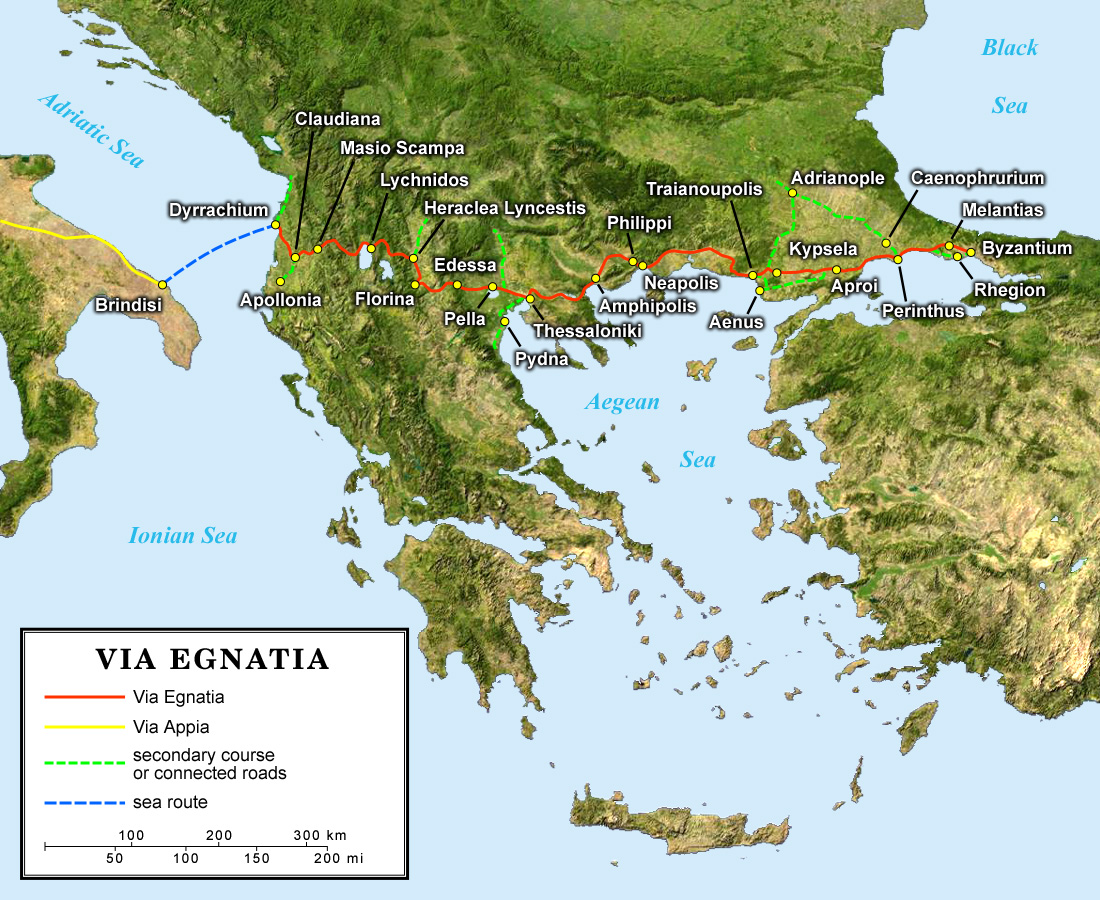
The economy was greatly stimulated by the construction of the Via Egnatia, the installation of Roman merchants in the cities, and the founding of Roman colonies. The Imperial government brought, along with its roads and administrative system, an economic boom, which benefited both the Roman ruling class and the lower classes. With vast arable and rich pastures, the great ruling families amassed huge fortunes in the society based on slave labor and agriculture.
The “Via Egnatia” became a major thoroughfare for the region of Eordaea and its people and it was only 15 km from Sebalci. In regards to the Sebalci settlement on Lake Zazari, there is documented archeological evidence of a Macedonian then Roman bath on the north east side of the lake. We can assume that the bath was being used most likely in a Roman Estate that may have been part of a farm as agriculture was not only a necessity but was idealized among the social elite as a way of life.
Land ownership was a dominant factor in distinguishing the aristocracy from the common person, and the more land a Roman owned, the more important he would be in society. Soldiers were often rewarded with land from the commander they served. Though farms depended on slave labor, free men and citizens were hired at farms to oversee the slaves and ensure that the farms ran smoothly.
The Romans had four systems of farm management: direct work by owner and his family; tenant farming or sharecropping in which the owner and a tenant divide up a farm’s produce; forced labour by slaves owned by aristocrats and supervised by slave managers; and other arrangements in which a farm was leased to a tenant.
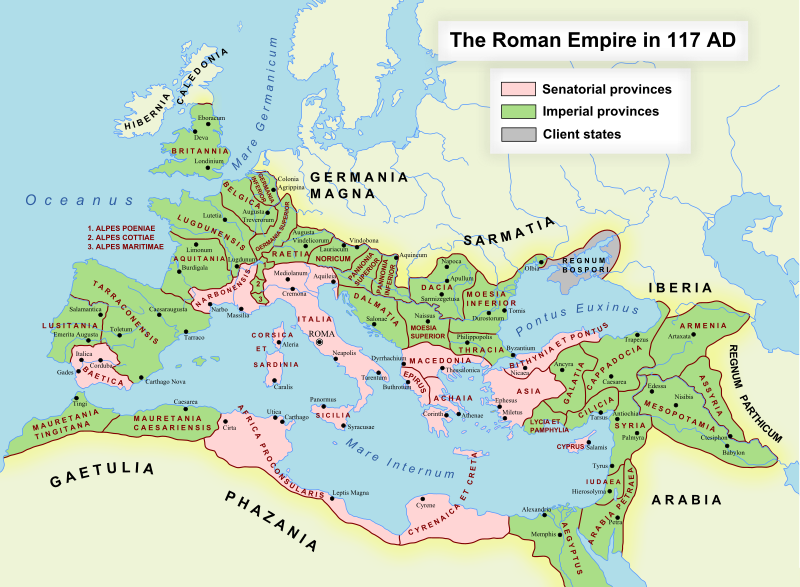
Even though the region of Eordai had great agricultural potential, many Macedonians especially the elite, educated and military personnel were taken as slaves and exported to Rome. Those who were left, were put to work in agriculture or in the many mines of the region. The Macedonians would have to endure extreme hardship and as a result their plea for help was heard by the Apostle Paul.
“And a vision appeared to Paul in the night; there stood a man of Macedonia and prayed him, saying, Come over into Macedonia and help us.” (Acts 16:9)

Had he, when summoned to Europe, refused a response to the Macedonian cry, how different would have been the early history of the church? And after he had seen the vision, he went to Macedonia to preach the gospel to the very first Europeans – the Macedonians!
The history of the church – and of the world – forever changed because of the God-given dream known as the Macedonian Call.
Macedonians are distinguished as the very first nation on the European continent that accepted the Christian religion at the very dawn of this era. Lidia, a young Macedonian woman from Philippi, was the first-ever baptized Christian on European soil. In the Macedonian Jerusalem, Ohrid, was founded the first ever known Christian church (St. Erasmo) on European soil in the 3rd century AD, and is the ultimate Holy See of the old Patriarchate/Archiepiscopacy of Ohrid. There is also the honorable platea of the first known university in Europe – St. Clement’s University on Plaošnik. The Macedonia Diocese under Roman occupation was made up of the following administrative provinces: Macedonia Prima, Macedonia Secunda, Epirus Nova, Epirus Vetus, Thessaly, Achaia, and isle of Crete.
Sources:
- Archaeological Site of Petres – Wikimapia. (n.d.). Retrieved November 16, 2018, from http://wikimapia.org/14786052/Archaeological-Site-of-Petres
- Baltrusch, Ernst. “Arthur M. Eckstein, Rome Enters the Greek East. From Anarchy to Hierarchy in the Hellenistic Mediterranean, 230–170 BC. Malden, Mass./Oxford, Wiley-Blackwell 2012.” Historische Zeitschrift, vol. 298, no. 1, 2014.
- “Battle of Pydna.” Ancient History Encyclopedia, 19 Feb. 2015, http://www.ancient.eu/Battle_of_Pydna/.
- Droysen, G. (2010, September 11). [Map]. wikimedia.org/wikipedia/commons. https://upload.wikimedia.org/wikipedia/commons/c/c2/Roman_province_of_Macedonia.jpg
- Eckstein, Arthur M. Rome Enters the Greek East: From Anarchy to Hierarchy in the Hellenistic Mediterranean, 230-170 Bc. 2012.
- File:RomanEmpire 117.svg – Wikimedia Commons. (n.d.). Retrieved November 18, 2018, from https://commons.wikimedia.org/wiki/File:RomanEmpire_117.svg
- Hammond, N G. L, and Guy T. Griffith. A History of Macedonia. Clarendon P, 1979.
- Hammond, N G. L, and F W. Walbank. A History of Macedonia. Clarendon P, 1988.
- Hopkins (1978). Conquerors and Slaves. New York: Cambridge University Press. pp. 1–9.
- Lathern, J. (1884). The Macedonian cry: A voice from the lands of Brahma and Buddha, Africa and isles of the sea, and a plea for missions. Toronto: W. Briggs.
- “Livy.” Ancient History Encyclopedia, 17 Mar. 2014, http://www.ancient.eu/livy/.
- Macedonia – Province of the Roman Empire | UNRV.com. (n.d.). Retrieved from https://www.unrv.com/provinces/macedonia.php
- Nigdelis, P. M. (2014, May 5). Macedonia under the Roman Empire [Map]. ethnologic.blogspot.com. http://ethnologic.blogspot.com/2014/05/168-284_5.html
- Retrieved from https://usma.edu/history/SiteAssets/SitePages/Ancient%20Warfare/10MacedonianAegeanWorld
- Roke-commonswiki. Retrieved from https://upload.wikimedia.org/wikipedia/commons/4/40/Byzantine_Empire_animated.gif
- Roman province. (2018, November 15). Retrieved from https://en.wikipedia.org/wiki/Roman_province#/media/File:Augusto_30aC_-_6dC_55%25CS_jpg
- Savic, S. J. (2003). Via Egnatia Durres to Thessaloniki [Map]. voicesoftheviaegnatia.wordpress.com. https://voicesoftheviaegnatia.wordpress.com/
- “Uncategorized – Page 2 – Luctor Et Emergo.” Luctor Et Emergo, aureliomadrid.wordpress.com/category/uncategorized/page/2/.
- User, Super. “Agrapidia (Limnohori).” Home Page, http://www.thermalsprings.gr/index.php/en/west-macedonia/133-agrapidias-limnohori-en.
- Via Egnatia. (2018, October 6). Retrieved from https://en.wikipedia.org/wiki/Via_Egnatia#/media/File:Via_Egnatia-en
- What is the Macedonian Call? (2018, February 21). Retrieved from https://www.gotquestions.org/Macedonian-Call.html
- White, K. D. (1970). Roman Farming. Cornell University Press.
- Wooldridge, J. (2010). the missionary journey of the apostle paul [Map]. Retrieved from http://commons.wikimedia.org/wiki/File%3AMap13.jpg
- “Πανδέκτης: Maps.” Πανδέκτης: Communities and Collections, pandektis.ekt.gr/pandektis/coinsMaps.
 Sklithro-Zelenich-Sebalći


